Commercial Septic Systems in Asheville, NC
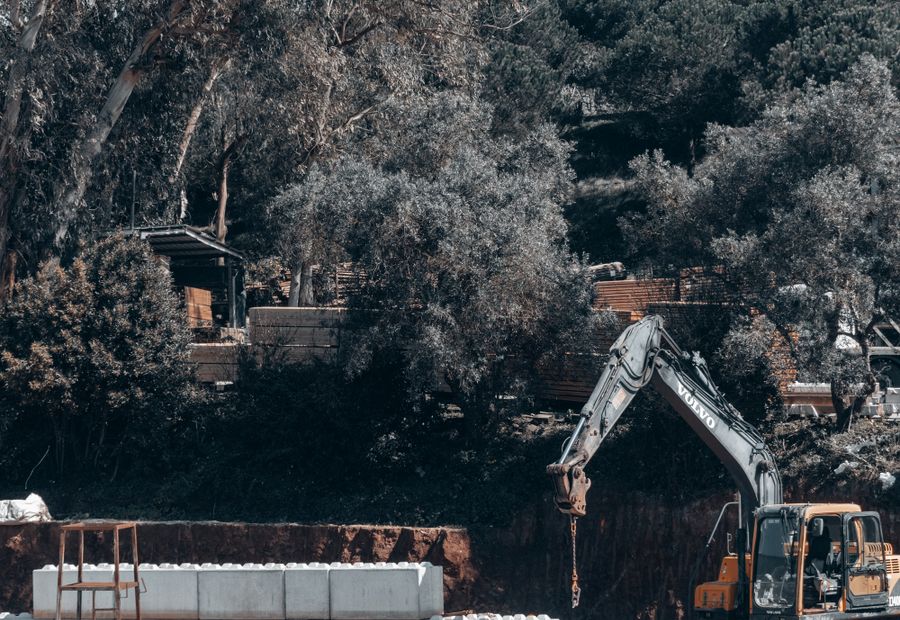
Asheville Drain Field Pros is a septic system contractor and excavating contractor doing commercial septic work alongside drain field replacement and repair, system installation, tank replacement, mound and alternative systems, soil testing and design, and line and baffle repairs. We serve restaurants, churches, campgrounds, cabin resorts, shops, and small offices outside the sewer line in Buncombe, Madison, and Henderson counties, North Carolina.
Commercial work sits on measured flow and an engineer's drawings. Grease interceptors go in ahead of the tank on any kitchen. Large soil absorption fields get built to a design and inspected in stages. Where flow or ground demands it, advanced treatment goes in ahead of a smaller field, which is often what makes a tight commercial site workable at all. Pressure distribution laterals dose a large field evenly instead of drowning the near end. Set that against a system sized off a builder's guess, which comes up short the first time the building is actually full.
The Buildings We Work On
Restaurants and taprooms with commercial kitchens. Churches with fellowship halls that go from empty to full for two hours a week. Campgrounds and cabin rentals with bathhouses and a season that swings hard. Shops, offices, and small manufacturing on unsewered ground. Every one of them has a different flow pattern, and the pattern matters as much as the total.
Peaks Are the Whole Problem
A house sends water through the day in a predictable rhythm. A church sends a week's flow in one morning. A campground goes from nearly empty to full on a holiday weekend. Soil needs rest between doses, so a system built for an average and hit with a peak backs up while the annual numbers look fine on paper. Dosing and storage volume are how that gets handled.
Working Around an Operating Business
We phase the work, keep part of the system live where the design allows it, and run the noisy stages outside your hours. Access, parking, and deliveries get planned before the first machine arrives rather than negotiated in the middle of an open cut.
After the Build
Commercial systems need looking after on a schedule, not on a hunch. Interceptor pumping, tank pumping, filter cleaning, pump and panel checks, and monitoring where the design or the county requires it. We set that schedule with you at handover. (828) 528-7231.
How is a commercial septic system sized?
By measured or projected flow, not by bedroom count. A restaurant sizes off seats and service hours. A church sizes off attendance and whether there is a kitchen. A campground sizes off sites and bathhouse fixtures. An office sizes off staff. That flow figure drives the tank volume, the absorption area, and whether the site can take the system at all. Two buildings of identical square footage can need very different systems, because what happens inside them is different.
Do restaurants need a grease interceptor?
A commercial kitchen on a septic system needs grease held back before it reaches the tank, and an interceptor is how that is done. Grease that gets past it floats in the tank, rides out with the effluent, and coats the soil interface in the field, which kills absorption faster than almost anything else. The interceptor only works while it is pumped on a schedule and the schedule is followed. Your health authority sets the requirement for your operation, and we confirm it before design.
Can you install a septic system without closing our business?
Usually, with planning. Most commercial jobs get phased so part of the system stays in service while the rest is built, and temporary arrangements cover the gap where phasing is not possible. Night and weekend work is normal on these projects and we schedule it that way on purpose. Tell us your busy hours and your delivery windows early, because the sequence gets built around them rather than adjusted afterward.
Who designs a commercial septic system?
An engineer or a licensed soil professional, working from the flow figures and the soil evaluation, with the county and state authority reviewing it. We build to that design rather than drawing it ourselves, and we say so plainly. Where a project needs advanced treatment ahead of the field, that decision comes out of the design as well. Our part is the excavation, the tanks, the field, the restoration, and coordinating the inspections along the way.