Drain Field Replacement in Asheville, NC
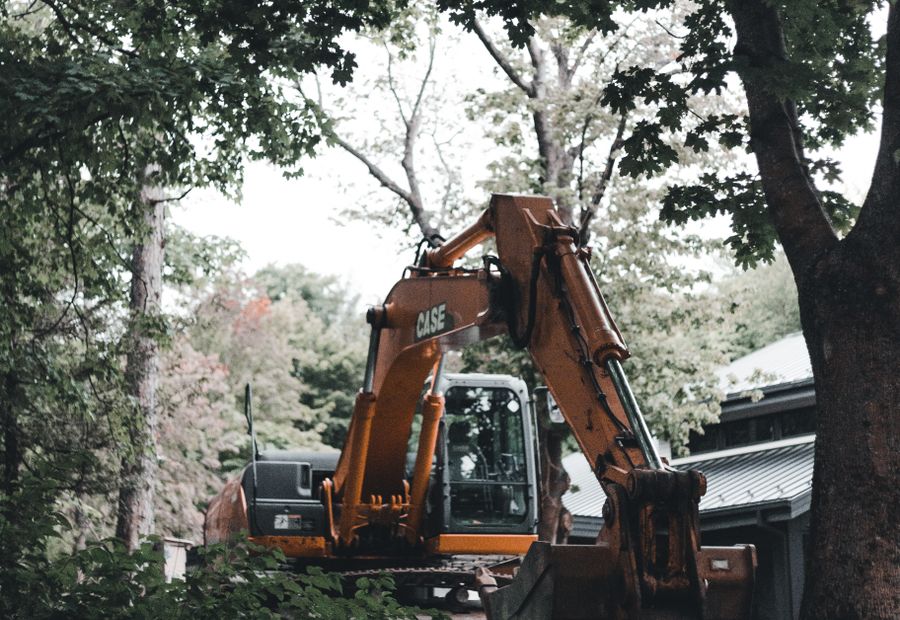
Asheville Drain Field Pros is a septic system contractor doing drain field replacement, drain field repair, septic system installation, tank replacement, mound and alternative systems, soil testing and design, line and baffle repairs, and commercial septic work. We serve houses, cabins, farms, and small commercial property across Buncombe, Madison, and Henderson counties, North Carolina.
We build replacement fields with Infiltrator Quick4 chambers set flat on undisturbed trench bottoms, or with Infiltrator EZflow bundles hand carried onto lots a stone truck cannot reach. Where washed drainage stone is the right call, perforated pipe beds in clean stone under non-woven fabric so silt never closes the interface. Ahead of it all, a precast concrete tank with an effluent filter in the outlet tee keeps solids out of the ground. Every bottom gets shot level with an instrument, not eyeballed. Compare that to a trench cut to whatever depth the bucket happened to reach, on a slope nobody bored first.
What Actually Sealed Your Trench
Effluent meets soil at the trench bottom and sidewall, and a dark slimy layer grows there. That layer is bacteria, not mud. A thin one is healthy and does most of the treating. A thick one behaves like a liner. Water then has no route down, so it takes the only route left, which is up. That is the soggy patch, the stripe of grass greener and taller than the rest, the smell outdoors, and the backup at the lowest drain in the house.
The Tank and the Field Are Two Different Jobs
Pumping removes solids from the tank. It does nothing at all to the trenches. Weeks of relief after a pumping is the tank refilling, not the ground recovering. Routine cleanouts belong to a pump truck, and the pumpers in these counties are quick and good, so call one for that. Call us when the ground outside is wet.
Soil Comes Before Any Number
Soil texture sets how fast the ground takes water, and that sets the size of the field. Depth of clean unsaturated soil above rock or seasonal water sets whether a trench field is possible on your lot at all. On these mountain slopes that depth changes across one parcel, which is why we bore before we price.
Reserve Area or Redesign
Most permitted lots carry a reserve area held back for the second field. Intact and passing, that is where the new trenches go, with new distribution, and the old field is abandoned in place. Built on or failed, the job becomes a redesign: a fill system, low pressure pipe, a dosed low-profile field, or advanced treatment ahead of a smaller field.
What the Yard Looks Like
Expect tracks, spoil piles, and an open cut for a few days. Afterward the grade gets set to shed surface water off the field, then seed and straw. Keep vehicles off it forever. (828) 528-7231 reaches a person.
How much does it cost to replace a drain field?
There is no single number, and the reason is a fork rather than a dodge. If your lot holds an open reserve area that still passes evaluation, we cut new trenches over there and the job prices as ordinary excavation. If the reserve is built on, or the tract comes back short on soil depth, the system gets redesigned around that, and a pump, controls, engineering, and imported material all join the bill. Depth to rock, field size for the house, machine access on a steep drive, and haul distance move it from there. The soil work happens first because it decides which job you are buying.
Why does my septic back up after I just had it pumped?
The pumping did what it does. It emptied the tank, and an empty tank gave the house a few weeks of room before it filled again. Nothing in that process changed the ground. A tank standing full to its outlet was full because the field would not take the water away, and it will be full again shortly. When the relief lasts weeks rather than years, look at the field. The usual reasons are a sealed trench, a crushed or root-plugged lateral, a distribution box that settled, or simply more water going in than the soil can accept.
Do I need a permit to replace a drain field?
Yes, and in North Carolina it runs through your county health department. The ground gets evaluated first, and a separate authorization has to be issued before construction begins. Buncombe, Madison, and Henderson each operate their own environmental health office, so the particulars shift when you cross a county line. We confirm the requirements for your address and pull the paperwork. No contractor can hand you an approval or a start date, because that call belongs to the county and not to us.
How long does a new drain field last?
Decades, when four things go right. Solids stay in the tank, which means regular pumping and a working effluent filter in the outlet. The trench bottoms sit level so no single trench takes the whole load. Nothing gets driven over the field or built on top of it. And the house sends a normal amount of water through it. Fields that die young almost always failed one of those four, and the material on top rarely had anything to do with it.